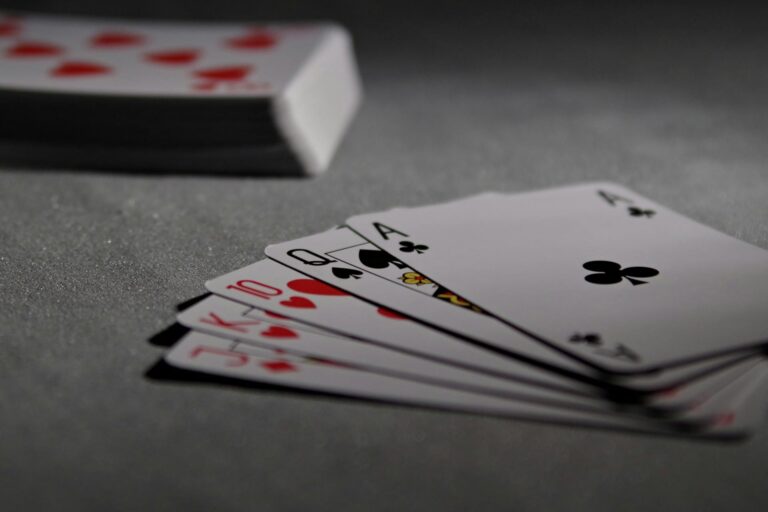
Poker players at every skill level make strategic mistakes that cost them money at the table. These errors range from poor hand selection and weak betting choices to emotional decisions and bad bankroll practices. Understanding and fixing these common problems can make the difference between losing sessions and consistent wins.
The most frequent poker mistakes fall into clear categories: fundamental strategy errors, betting and bluffing problems, emotional and mental pitfalls, and poor game selection with bankroll issues. Many players know basic poker rules but still lose because they repeat the same strategic errors. These mistakes often go unnoticed until someone points them out.
Learning to spot and correct these problems helps players improve their results quickly. The good news is that most poker mistakes are fixable with awareness and practice. Players who take time to understand these common errors gain a real edge over opponents who keep making them.
Fundamental Poker Strategy Mistakes
New players often stumble over basic strategy concepts that directly impact their win rate. These errors stem from misunderstanding core poker principles like hand strength, table dynamics, and mathematical probability.
Overplaying Weak Hands
Many players fall into the trap of playing too many starting hands. They convince themselves that any two cards can win, which leads to costly losses over time.
Weak hands like J-4 offsuit or 10-3 suited rarely justify a call or raise. These holdings lose money in the long run because they connect poorly with the board and get dominated by better hands. Players who limp in with marginal cards find themselves facing difficult decisions on later streets.
The solution is to tighten up the starting hand range. Premium pairs like AA, KK, and QQ deserve strong action. Strong Broadway cards such as AK, AQ, and KQ suited warrant raises from most positions. Medium pairs and suited connectors work best in late position where players can see the action ahead of them.
Position matters for hand selection. A hand like 7-8 suited plays poorly from early position but becomes profitable on the button. Players should fold most hands from under the gun and expand their range as they move closer to the dealer button.
Misjudging Position
Position determines how much information a player has before making decisions. Acting last provides a massive advantage that many beginners ignore.
The button is the most profitable seat at the table. Players in late position see how everyone else acts before they make their choice. This knowledge allows them to play more hands, steal blinds, and control pot size. Early position forces players to act first on every street after the flop, making most hands unprofitable.
Players who raise the same hands from every position make a critical error. A hand like K-J offsuit earns money from the button but loses from under the gun. The cutoff and button should see the most action, while early positions require premium holdings.
Positional awareness extends beyond preflop play. Bluffing works better in position because players can see weakness before they act. Value betting becomes easier when opponents check to a player who acts last.
Failing to Adapt to Opponents
Playing the same strategy against every opponent is a major leak. Different players require different approaches based on their tendencies and patterns.
Tight players fold too often and become targets for aggressive betting. They give up pots when facing pressure and rarely bluff themselves. Against these opponents, players should increase their bluff frequency and steal more blinds.
Loose aggressive players create large pots and apply constant pressure. They bluff frequently but also value bet strong hands hard. The counter-strategy involves calling down lighter and letting them hang themselves with failed bluffs.
Calling stations never fold. These players call with weak hands all the way to the river. The adjustment is simple: stop bluffing and value bet relentlessly. Players should thin their bluff range to zero and extract maximum value from made hands.
Table dynamics shift as players come and go. A strategy that worked an hour ago might fail now because the player pool changed. Successful players constantly observe and adjust.

Ignoring Pot Odds
Pot odds determine whether a call is mathematically profitable. Players who ignore this concept make expensive mistakes on drawing hands.
The calculation compares the current pot size to the cost of calling. If the pot contains $100 and the bet is $20, the pot odds are 5 to 1. This means a player needs to win more than one time in six to break even on the call.
Drawing hands require pot odds to play profitably. A flush draw hits roughly 19% of the time on the turn (about 4 to 1 against). If the pot offers 3 to 1, the call loses money over time. If it offers 5 to 1, the call becomes profitable.
Common drawing odds:
- Flush draw: 4 to 1 against on the turn
- Open-ended straight draw: 5 to 1 against on the turn
- Gutshot straight draw: 11 to 1 against on the turn
- Pair to set: 7.5 to 1 against on the flop
Implied odds account for money that might be won on later streets. A small pot on the flop might justify a call if the opponent will pay off a big bet when the draw completes. Players must estimate whether their opponent has enough chips and willingness to pay.
Betting and Bluffing Errors
Poor betting choices and poorly timed bluffs cost players more money than almost any other mistake at the table. Players who bet the wrong amounts, bluff at bad times, or fail to extract value when they have strong hands leave chips on the table in every session.
Bet Sizing Mistakes
Players often bet too much or too little for their situation. Betting too small with strong hands lets opponents call cheaply with draws that might beat them. Betting too large scares away weaker hands that would have paid them off.
A good bet size depends on the situation. On the flop, most players should bet between 50% and 75% of the pot. Smaller bets work when a player wants calls. Larger bets work when they want to protect a vulnerable hand.
Common bet sizing errors include:
- Making the same bet size regardless of hand strength
- Betting too small with premium hands
- Overcommitting with medium-strength hands
- Using tiny bets that give opponents great odds to call
Players should adjust their bet sizes based on the board texture, opponent types, and their actual hand strength.
Mismanaging Bluffs
Bluffing at the wrong time is a fast way to lose chips. Many players bluff against opponents who have already shown strength with large bets. They also bluff too often against players who call everything or bluff when the board makes their story unbelievable.
Good bluffs require the right timing and the right opponent. Players should bluff more often in position and against thinking players who can fold. They should avoid bluffing against beginners who call with any pair.
The board matters too. A bluff works better when the board shows possible strong hands like straights or flushes. It fails when the board is dry and an opponent has already committed many chips.
Not Value Betting Enough
Many players check strong hands because they fear their opponent will fold. This costs them significant money over time. When a player has a strong hand, they should bet to build the pot and get paid.
Missing value bets happens most often on the river. Players with solid hands check behind instead of betting. They worry about being wrong, but betting wins more money in the long run.
Players should ask themselves if worse hands will call. If the answer is yes, they should bet. They can use smaller bet sizes to encourage calls from weaker hands. Three streets of value often wins more than two streets when a player holds a premium hand.
Emotional and Cognitive Pitfalls
Mental mistakes cost players more money than technical errors in many cases. The brain creates patterns and emotional responses that work against sound poker strategy, leading to poor decisions even when players know the correct play.
Playing on Tilt
Tilt occurs when emotions override logical decision-making at the poker table. A bad beat, a series of losses, or even personal issues away from the game can trigger this state.
Players on tilt make calls they normally wouldn’t make. They bluff in spots that don’t make sense. They play too many hands and ignore position.
Common tilt triggers include:
- Losing a big pot with a strong hand
- Getting bluffed successfully
- Facing repeated bad luck
- Dealing with aggressive opponents
The financial damage from tilt compounds quickly. A player might lose in 30 minutes what took weeks to build. The solution requires recognizing the early signs and having a plan to step away from the table.
Chasing Losses
Chasing losses means trying to win back money quickly after losing sessions. Players who chase losses often move up in stakes, play longer sessions than planned, or abandon their usual strategy.
This behavior stems from loss aversion. The pain of losing feels stronger than the pleasure of winning an equal amount. Players convince themselves they need to get even before quitting.
The mathematics work against this approach. Higher stakes mean tougher competition and larger swings. Tired players make more mistakes. Desperate play becomes transparent to observant opponents.
A better approach treats each session independently. The money lost yesterday has no connection to today’s decisions. Bankroll management rules exist specifically to prevent the desperation that comes from chasing.
Confirmation Bias in Decision Making
Confirmation bias makes players see what they want to see rather than what actually exists. They remember the times their gut feeling was correct and forget the many times it failed.
A player might believe they can always tell when an opponent is bluffing. They recall successful hero calls but ignore the times they paid off value bets. This selective memory reinforces bad habits.
Players also fit new information into existing beliefs instead of adjusting their strategy. Someone who thinks a particular opponent never bluffs will interpret every bet as strength, missing profitable calling opportunities.
Breaking confirmation bias requires tracking results honestly. Written hand histories reveal patterns that memory distorts. Reviewing sessions with other skilled players provides outside perspective that challenges faulty assumptions.
Neglecting Game Selection and Bankroll Management
Many players focus solely on improving their technical skills while overlooking two critical factors that determine long-term success: choosing appropriate games and managing their poker funds properly.
Choosing the Wrong Stakes
Players often select stakes based on ego rather than skill level and bankroll size. A common error involves jumping to higher stakes too quickly after a few winning sessions, which exposes them to stronger competition and increased financial risk.
The right stake level depends on both bankroll and skill. A player with $1,000 should not play $5/$10 cash games, even if they feel confident. Similarly, entering tournaments with buy-ins that represent a large portion of available funds creates unnecessary pressure.
Key factors for stake selection:
- Player skill relative to opponents at that level
- Bankroll size and comfort level with potential losses
- Table dynamics and game conditions
- Win rate history at current stakes
Players should move up in stakes only after demonstrating consistent wins at their current level. Moving down when results decline protects funds and allows skill development without excessive risk.
Ignoring Bankroll Guidelines
Poor bankroll management causes more players to quit poker than bad strategy. Many players risk too much of their total funds on single sessions or tournaments, which leads to going broke despite having winning skills.
Standard bankroll guidelines recommend keeping 20-30 buy-ins for cash games and 50-100 buy-ins for tournaments. These numbers account for natural variance in poker results. A player with $2,000 should play $1/$2 cash games with $200 buy-ins, not $2/$5 games.
Players should never use money needed for living expenses as poker funds. The bankroll must be separate from rent, bills, and other necessities. Using only 1-5% of total bankroll per session provides protection against losing streaks that every player experiences.